

What’s In This Guide
- Sell and Leave vs. Sell and Stay
- Why Property Equity Can Matter to an Operating Business
- How a Sale-Leaseback Commercial Property Transaction Works
- Potential Advantages of a Sale-Leaseback
- Tradeoffs and Risks a Business Should Evaluate
- Questions to Bring to a Commercial Real Estate Broker
- Questions for the Financial Adviser, CPA, and Attorney
- When Can a Commercial Real Estate Broker Add the Most Value?
- Frequently Asked Questions
- Talk With Tower Realty Corp About a Newtown Sale-Leaseback
A sale-leaseback is a transaction in which a business sells commercial real estate it owns and leases the property back from the buyer. The company receives sale proceeds but stays in the building as a tenant.
For an owner-occupant in Newtown, Connecticut, the basic question is simple: does the business want to sell and leave, or sell and stay?
Selling and leaving may make sense when a company has outgrown a facility, is consolidating locations, or no longer needs the property. A sale-leaseback commercial property transaction addresses a different situation. The real estate may still work well operationally, but the company may prefer to redeploy capital tied up in the building.
A sale-leaseback is not only a property sale. It is also a long-term occupancy decision. The sale price, rent, lease term, operating expenses, renewal rights, maintenance obligations, and future flexibility all affect the economics.
A commercial real estate broker can help a company evaluate both sides of the transaction while the company’s attorney, CPA, financial adviser, and other specialists address legal, accounting, tax, and financing consequences.
Quick Facts
- A sale-leaseback lets a business sell an owned property and remain in the same location as a tenant under a new lease.
- The transaction can convert property equity into business capital, but it replaces ownership with an ongoing lease obligation.
- A commercial real estate broker can help test market value, buyer demand, market rent, and lease terms.
- The sale price and leaseback terms should be evaluated together because stronger pricing can come with higher rent or less flexibility.
- Accounting, tax, legal, financing, and operational effects require review by the company’s CPA, financial adviser, attorney, and other appropriate professionals.
Sell and Leave vs. Sell and Stay
Sell and leave: The owner sells the property, vacates it on an agreed timeline, and relocates or closes the location. The business gives up both ownership and occupancy.
Sell and stay: The owner sells the property but signs a lease that allows the business to continue operating there. Ownership transfers to a buyer, while the operating company becomes the tenant.
This structure works well when a location remains vital to operations or when a business wants cash without moving. If relocating instead, matching commercial real estate for lease to operational needs can help identify better alternatives.
However, staying creates a new fixed obligation. The company no longer controls the property as an owner. Its rights depend on the lease, so the leaseback structure deserves the same attention as the sale price.
Why Property Equity Can Matter to an Operating Business

Commercial real estate can hold substantial value. When a business sells that real estate, the transaction can release property equity that was previously tied to the asset.
Management may consider using sale proceeds for expansion, equipment, debt reduction, acquisitions, working capital, or other priorities. Whether those uses create more value than continued property ownership is a company-specific financial decision.
Newtown’s 2025 Grand List reported approximately $4.06 billion in net taxable real estate across the town. That figure does not indicate the market value of any individual commercial building, but it shows the scale of real estate as a local asset category.
A broker’s role is not to tell a company how to allocate capital. The broker can help establish real estate inputs, including expected market value, likely buyer interest, market rent, lease structure, and property-specific factors that may influence pricing.
How a Sale-Leaseback Commercial Property Transaction Works
1. Define the Company’s Objectives
Identify why the company is considering a sale. Is the goal to raise capital, reduce real estate concentration, fund growth, or achieve another business objective? Management should also decide how long the property is likely to remain operationally important.
2. Assess the Property and Market
A broker evaluates property features, location, and marketability. Understanding how commercial real estate agents use market data to compare Danbury-area business locations helps owners compare their property to local competitors.
For Newtown businesses, zoning is part of that review. Borough regulations identify business and industrial zones, and industrial-zone provisions include uses such as light manufacturing, wholesale business, and warehouse storage. A company should confirm the rules for its specific parcel because the applicable zoning authority and requirements can vary by location.
3. Model the Sale and Lease Together
The sale price cannot be evaluated in isolation. Buyers may underwrite the property partly on the income stream created by the leaseback.
Proposed rent, lease length, rent increases, renewal options, tenant obligations, and tenant financial strength can affect investor interest and pricing. A broker can help management compare structures and negotiate the key lease terms in an LOI before the company commits.
4. Market and Negotiate the Transaction
Depending on the company’s objectives, the broker may expose the property to a broader investor market or approach selected buyers. The goal is to test both price and lease terms rather than accepting a purchase offer without comparing the full sale and leaseback economics.
5. Negotiate the Purchase Agreement and Leaseback
The broker can support business-term negotiations, but qualified counsel should prepare or review legal documents. Connecticut real estate licensees are subject to state rules governing agency relationships and disclosures, so companies should understand whom each broker represents before sharing confidential information. During negotiations, understanding the difference between a commercial lease letter of intent and a final lease helps clarify which terms require formal agreement.
6. Complete Professional Review and Closing
Before closing, the company’s attorney, CPA, financial adviser, lender, and other specialists should review the transaction. FASB guidance under Topic 842 requires companies to evaluate whether the transfer qualifies as a sale for accounting purposes. If the transfer does not qualify as a sale, the failed sale-leaseback is accounted for as a financing transaction.
Potential Advantages of a Sale-Leaseback
Unlock Capital Without Relocating
The company can receive sale proceeds while remaining in a facility that still meets its operating needs.
Separate Operating Needs From Real Estate Ownership
A company may decide that owning real estate is no longer central to its strategy even though occupying the property remains essential.
Create a Defined Occupancy Horizon
A negotiated lease gives both parties a documented term and set of responsibilities. This can support planning when the company has a clear facility horizon.
Reach a Different Buyer Pool
A property sold with a leaseback becomes an investment opportunity supported by lease income. That can attract buyers focused on leased commercial assets, although demand still depends on tenant credit, property quality, location, lease terms, and market conditions.
Tradeoffs and Risks a Business Should Evaluate
Loss of Ownership and Control
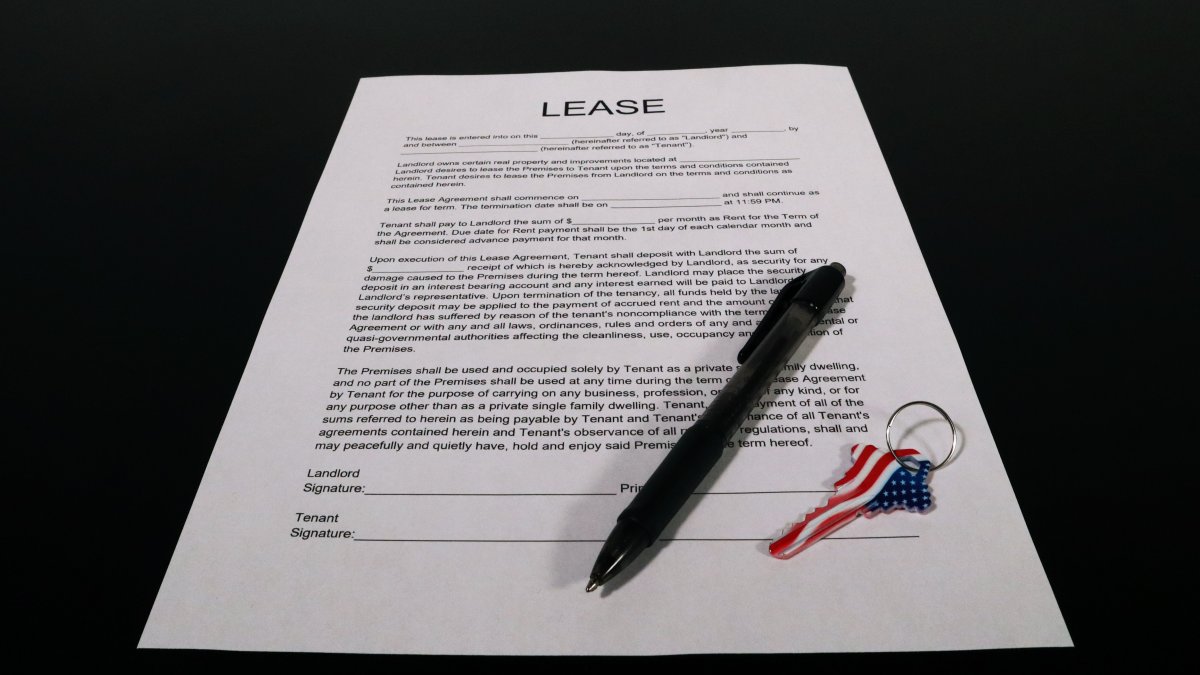
After closing, the business becomes a tenant. It may need landlord consent for alterations, assignments, subleases, or other actions depending on the lease.
Long-Term Rent Obligation
Unlocking property equity does not create free capital. The company exchanges ownership for lease payments and other tenant obligations. Management should model occupancy costs over the expected term.
Reduced Flexibility
A long lease can support pricing, but it limits flexibility if space needs change. Consider how zoning, permits, and permitted uses affect commercial real estate decisions before committing, especially if expansion requires extra approvals.
Operating Costs May Remain with the Tenant
Many sale-leasebacks use net lease structures in which the tenant pays some or most property operating costs in addition to base rent. The lease should clearly address taxes, insurance, repairs, capital replacements, utilities, and other responsibilities.
Accounting and Tax Consequences Vary
FASB’s post-implementation review of Topic 842 notes that sale-leaseback accounting can require significant judgment, including when assessing whether control has transferred to the buyer-lessor. Tax outcomes also depend on the transaction and the company’s circumstances. Qualified accounting and tax professionals should review these issues before the company relies on projected results.
Questions to Bring to a Commercial Real Estate Broker
A productive broker discussion should go beyond asking, “What is my building worth?”
Ask:
- What sale price range is supportable by current market evidence?
- What rent would likely be considered market-based for this property?
- Which lease terms are most likely to affect buyer demand or pricing?
- How might lease length change the pool of potential investors?
- What responsibilities are typical in comparable lease structures?
- Would broad marketing or targeted outreach better fit the company’s confidentiality needs?
- What zoning, property conditions, or capital issues could affect pricing?
- How should the company compare a sale-leaseback with selling and relocating?
- What information will buyers likely request about the business as the future tenant?
- How can competing offers be compared on both purchase price and lease economics?
Questions for the Financial Adviser, CPA, and Attorney
A broker can frame the real estate economics, but other advisers should address issues outside brokerage scope.
Ask the financial adviser or finance team how the expected returns from alternative uses of the net proceeds compare with the company’s cost of capital and the economics of continued property ownership. Ask the CPA how the proposed structure would be treated for financial reporting. Ask tax advisers about federal, state, entity-specific, and transaction-specific tax consequences.
Counsel should review the purchase and sale agreement, lease, representations, indemnities, default provisions, assignment rights, renewal options, casualty and condemnation language, environmental provisions, and other legal terms. The company will depend on the lease for continued access to a property it previously controlled as the owner.
When Can a Commercial Real Estate Broker Add the Most Value?

A broker can add the most value before the company locks in either the sale price or lease terms.
Early involvement allows the broker to test market value, estimate market rent, identify likely buyer profiles, flag property issues, and help management compare “sell and leave” with “sell and stay.” It also gives the company time to coordinate with finance, legal, accounting, and tax advisers.
For a Newtown business, local knowledge can be relevant when zoning, access, industrial functionality, or location within the broader Fairfield County market affects investor demand. The objective is not simply to maximize the headline sale price. It is to negotiate a transaction that supports both the company’s capital objective and continued use of the property.
Frequently Asked Questions
How does a sale-leaseback affect a company’s balance sheet?
The accounting treatment depends on whether the transaction qualifies as a sale under applicable accounting standards and how the resulting lease is classified. Companies should have their CPA or accounting adviser model the financial-statement impact before closing.
What information will buyers review about the business in a sale-leaseback?
Buyers may review financial performance, tenant creditworthiness, operating history, lease obligations, industry conditions, and how important the property is to the business. The level of due diligence depends on the transaction and investor.
Can a sale-leaseback include renewal options?
Yes. Renewal options can be negotiated as part of the leaseback. The parties should clearly define option periods, notice requirements, rent-setting mechanisms, and any conditions that apply to exercising the option.
What happens if the tenant wants to leave before the lease expires?
The outcome depends on the lease terms. Early termination, assignment, subleasing, surrender rights, and related costs should be negotiated before closing because the company will no longer control the property as its owner.
How long does a commercial sale-leaseback transaction take?
Timing varies based on property due diligence, financing, environmental review, lease negotiations, buyer requirements, legal documentation, and other closing conditions. A broker can help establish a transaction timeline based on the property and proposed structure.
Talk With Tower Realty Corp About a Newtown Sale-Leaseback
A sale-leaseback can convert real estate value into business capital while allowing the business to remain at a strategically important location, but the sale and lease need to be evaluated together.
Tower Realty Corp works with commercial and industrial property owners, buyers, landlords, and tenants across Greater Danbury and Northern Fairfield County. If your Newtown, CT, business is considering whether to sell and leave, sell and stay, or retain ownership, a commercial real estate broker can help evaluate the property, market conditions, likely buyer interest, and leaseback terms before you decide how to proceed.
Disclaimer: This article provides general educational information and is not legal, tax, accounting, investment, or financial advice. Companies should consult qualified professionals regarding their specific circumstances.
Related Posts