
SINCE 1988
203-546-7793

Choosing the right commercial space is a strategic decision that directly affects operating costs, efficiency, and long-term growth. For businesses evaluating properties in markets like Newtown, CT, and the surrounding region, the choice often comes down to industrial space or flex space. While these property types can appear similar at first glance, they serve very different business needs.
Understanding how each space functions—and where it excels—can help business owners, operations managers, and investors make decisions that support both current demands and future expansion.
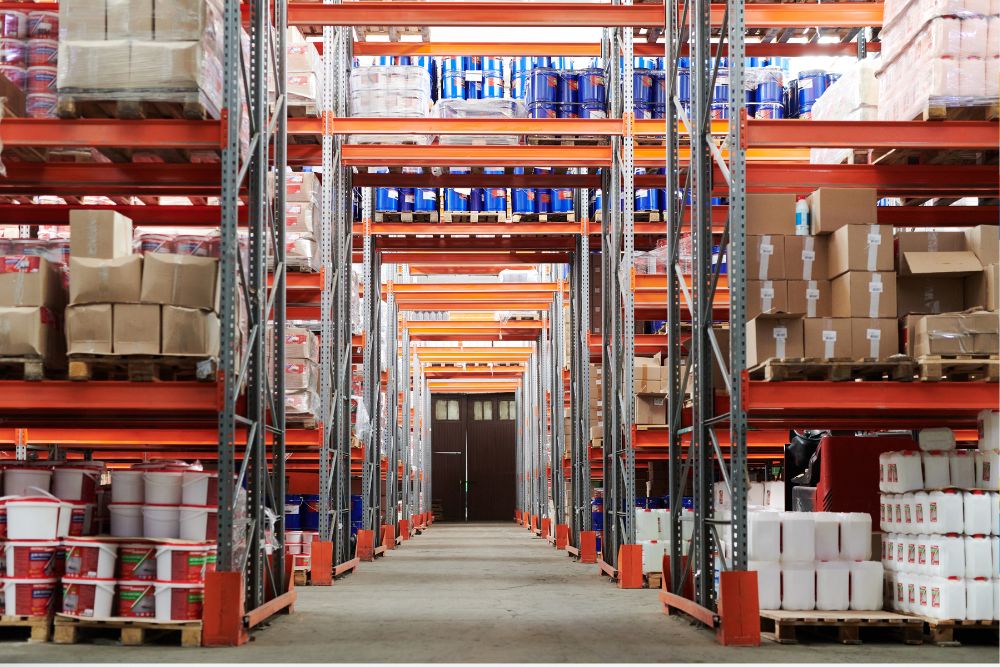
Industrial properties are purpose-built for manufacturing, warehousing, storage, and distribution. These buildings prioritize function over aesthetics and are designed to accommodate heavy equipment, large inventories, and frequent shipping activity.
Industrial facilities typically feature:
Many industrial properties are located near highways, rail lines, or major transportation corridors to support logistics and freight movement.
Industrial space is best suited for businesses that rely on physical goods and operational efficiency, including:
For these businesses, industrial space provides the infrastructure required to move products efficiently while keeping operating costs relatively predictable.
Industrial space works best when the business model centers on production, storage, or distribution rather than on collaboration or client interaction.

Flex space is designed to do exactly what its name implies—adapt to multiple business functions under one roof. These properties combine elements of industrial and office space, allowing businesses to blend operational, administrative, and light production needs.
Flex buildings typically include:
Flex space is often located in business parks or mixed-use commercial zones rather than heavy industrial areas.
Flex space is ideal for businesses that need both workspace and operational functionality, such as:
These businesses benefit from having administrative staff, equipment, and limited production operations in a single location.
Flex space offers versatility but may not support high-intensity industrial operations.
When deciding between industrial and flex space, the right choice depends on how your business operates day to day.
Factor | Industrial Space | Flex Space |
Primary Use | Manufacturing, storage, logistics | Mixed office and light industrial |
Cost | Lower | Moderate |
Office Space | Minimal | Integrated |
Customer-Facing | Rare | Common |
Scalability | High for operations | High for evolving teams |
Build-Out Needs | Limited | Moderate |
The decision should be based on function, not appearance. A space that looks appealing but limits operational efficiency can become a long-term liability.
When deciding between industrial and flex space, the right choice depends on how your business operates day to day.
| Factor | Industrial Space | Flex Space |
| Primary Use | Manufacturing, storage, logistics | Mixed office and light industrial |
| Cost | Lower | Moderate |
| Office Space | Minimal | Integrated |
| Customer-Facing | Rare | Common |
| Scalability | High for operations | High for evolving teams |
| Build-Out Needs | Limited | Moderate |
The decision should be based on function, not appearance. A space that looks appealing but limits operational efficiency can become a long-term liability.
Before committing to a lease or purchase, businesses should evaluate their needs honestly and strategically.
Industrial space is often easier to scale for inventory growth or equipment expansion. Flex space is better for companies anticipating growth in staff or collaboration needs.
If clients, vendors, or partners regularly visit your facility, a flex space provides a more professional and accessible environment.
Heavy machinery, frequent deliveries, or large shipments point toward industrial space. Climate control, connectivity, and employee amenities favor flex space.
Zoning regulations in Connecticut can limit how a property is used. Ensuring your business activity aligns with local zoning is critical before signing any agreement.

Regardless of property type, location plays a major role in operational efficiency and employee accessibility. In areas like Newtown, CT, proximity to major highways, labor markets, and regional clients can significantly impact logistics, commute times, and overall costs.
A well-located industrial or flex property can reduce transportation expenses, improve workforce retention, and support future expansion.
Industrial and flex spaces are both valuable commercial property options—but they are not interchangeable. Selecting the wrong type can lead to higher costs, operational bottlenecks, or the need to relocate sooner than planned.
The right space should:
Taking the time to evaluate these factors helps ensure your commercial property becomes an asset—not a constraint.
Industrial space is designed primarily for manufacturing, warehousing, and distribution, while flex space combines office areas with light industrial or operational space, allowing multiple business functions in one property.
Yes. Flex space typically costs more per square foot due to finished office build-outs, climate control, and customer-facing amenities, whereas industrial space prioritizes function and efficiency over design.
Flex space can support light manufacturing or assembly, but it is not suitable for heavy machinery, high-volume production, or intensive logistics operations that require reinforced infrastructure.
It depends on how the business plans to grow. Companies adding employees, collaboration needs, or client interaction often benefit from flex space, while businesses scaling inventory or production typically need industrial space.
Zoning regulations determine allowable uses for each property. Industrial zoning supports heavier operations, while flex properties are often in business or mixed-use zones with more restrictions on manufacturing intensity.
Choosing between industrial and flex space requires local market knowledge, zoning insight, and a clear understanding of how different properties support business performance. Companies exploring commercial real estate opportunities in the Newtown area can benefit from working with experienced professionals who understand how to align property selection with business goals.
Tower Realty Corp helps businesses identify commercial spaces that make operational sense today while supporting long-term growth tomorrow.