
SINCE 1988
203-546-7793

Commercial leasing has been shifting toward clearer cost allocation and more predictable ownership cash flow, especially as insurance premiums and operating costs have become harder to forecast year to year.
A Triple Net Lease, also called an NNN lease, answers the big question immediately: it is a commercial lease structure where the tenant pays base rent plus three major property expense categories, usually property taxes, building insurance, and maintenance or Common Area Maintenance (CAM).
For commercial property owners, the appeal is simple. Instead of rent being forced to absorb unpredictable expense swings, the lease is built to pass many operating costs through to the tenant, often making net operating income easier to project and explain.
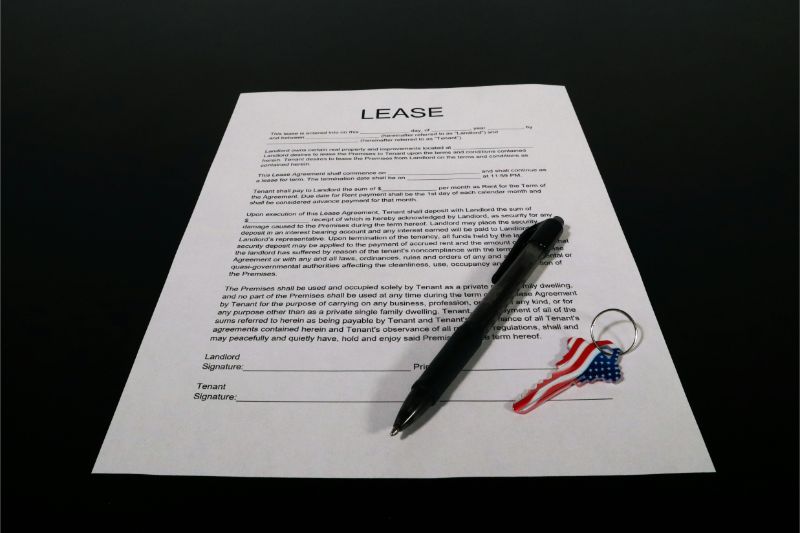
Triple Net Lease refers to a commercial lease where the tenant pays base rent plus the three “nets”: property taxes, building insurance, and common area maintenance (CAM).
NNN leases are widely used in commercial real estate, particularly in properties where the tenant has strong control over their space and operational needs. Many owners like NNN because it can reduce day-to-day expense management and shift volatility away from the landlord, as long as the lease language is tight and the tenant is well-qualified.

A triple net lease typically pushes these costs to the tenant:
“NNN” does not mean every dollar is always the tenant’s responsibility. Many leases still keep certain items with the owner, or treat them differently, depending on how the lease is drafted and the asset type. Common examples include structural elements, major capital replacements, or costs that are limited by exclusions, caps, or defined categories. Disputes often happen when the lease is vague on what counts as CAM versus what counts as a capital improvement.
A gross lease bundles most property operating costs into one rent figure, so the owner generally pays taxes, insurance, and maintenance out of that rent. In an NNN lease, the rent is typically lower on its face, but the tenant pays the nets on top of base rent, making costs more transparent and separable.
Net leases exist on a spectrum:
You may also hear “absolute net lease” or “absolute NNN.” This is generally described as a more landlord-friendly structure where the tenant takes on nearly all property costs and responsibilities, sometimes including major repairs or replacements that owners might retain under a standard NNN. The exact meaning depends on the lease language, so the document controls.
For owners, the upside of an NNN lease is not just convenience. It can also strengthen the story your property tells to lenders and buyers when income is less exposed to expense surprises.
NNN structures are common where tenant use is stable, and the space is largely dedicated to that tenant’s operation, including many single-tenant retail, medical, and industrial-style occupancies. NNN can also work in multi-tenant properties, but the owner needs strong CAM definitions, transparent budgeting, and disciplined reconciliation practices.

The biggest problems in NNN leases tend to be human and procedural, not conceptual. If the lease does not clearly define what is included in CAM, how allocations work, when statements are delivered, and what documentation supports charges, you create friction that can damage tenant relationships and slow collections. Annual reconciliation processes, in particular, can become contentious when tenants do not understand what they are being billed for or when owners lack a consistent backup trail.
Owners should treat “maintenance” as a category that needs precision. Routine maintenance is different from replacement. Operational repairs are different from capital upgrades. The lease should clearly separate what is pass-through, what is excluded, and what happens when an item benefits the property long-term. Otherwise, a cost that feels obvious to you can feel inappropriate to the tenant.
An NNN lease does not remove risk. It changes the shape of it. Your income still depends on the tenant’s ability to pay, their operational stability, and their willingness to comply with property obligations. If a tenant fails to perform, the owner remains responsible for protecting the asset.
A reliable way to calculate an NNN lease payment is to separate base rent from NNN charges, then estimate monthly pass-throughs using annual expense totals. Many leases use estimated monthly payments during the year, then reconcile to actual expenses after year-end.
Start with how base rent is quoted:
Document the rentable square footage used in the lease and confirm how common areas are handled if the property is multi-tenant.
Collect the annual totals for the three nets. Use the most recent actuals, then adjust for known changes (tax reassessment notice, insurance renewal, vendor contract changes).
Use the building totals, then allocate by tenant share.
This allocation approach is common in multi-tenant properties where costs are shared proportionally.
This is the number tenants feel, budget, and compare across locations. It is also the figure that tends to drive negotiations, even when the lease is quoted on a per-SF basis.
A commercial broker can help owners price NNN space accurately by benchmarking market rents and typical pass-through treatments, then aligning lease structure with the property’s tenant profile. A broker also helps spot deal-killers early, like vague CAM language, mismatched expectations on repairs, or unrealistic expense estimates that can cause future disputes. For owners, the goal is not just signing a lease. It is signing a lease that performs cleanly through renewals, reconciliations, and operating cycles.
In markets like Newtown and the broader Fairfield County area, owners should treat taxes, insurance, and seasonal maintenance as living variables, not static line items.
A triple net lease requires the tenant to pay rent plus property taxes, building insurance, and maintenance or CAM. A double net lease typically includes rent plus taxes and insurance, while the landlord usually remains responsible for maintenance.
A standard NNN lease often excludes major structural components, capital improvements, and long-term replacements unless the lease specifically assigns those costs to the tenant. Exclusions vary by lease language.
In many NNN leases, the landlord may still pay for structural repairs, capital replacements, and expenses that are explicitly excluded from CAM or pass-throughs, depending on how the lease is written.
Common red flags include vague CAM definitions, unclear repair versus replacement language, missing expense caps or audit rights, and no clear process for annual reconciliations.
At lease expiration, the tenant typically vacates or negotiates a renewal, and a final reconciliation of NNN expenses may occur. The landlord then regains full control of the property unless a new lease is executed.
If you own commercial property and are considering an NNN lease, the fastest way to protect your income is to pressure-test the numbers and the lease language before you market the space. Tower Realty Corp can help you build a realistic NNN estimate using your actual expenses, benchmark how similar properties’ structure pass-throughs, and identify where CAM and repair terms need to be tightened for smoother reconciliations.