
SINCE 1988
203-546-7793

Key Takeaways
✔ Real estate signs are not one thing. They are a system: listing signs create awareness, directional signs drive action, and riders keep information current.
✔ Commercial signs need to answer business questions fast. “For sale” is not enough. A serious investor wants property type, use case, and a direct way to reach the listing agent.
✔ Directional signs are your “navigation layer.” If your property is off the main road, directional signs can be the difference between high interest and no interest.
✔ Riders protect momentum. Price changes, “under contract,” and “space available” updates keep your marketing accurate without forcing a full sign replacement.
✔ Design and placement are as important as the sign type. Legibility and location determine whether the sign works at all.
✔ Local rules matter. Cities and towns often regulate size, placement, and duration. Planning for compliance avoids removal or fines.
Here’s the shift many property owners miss: even as buyers and tenants start online, on-site signs still drive real-world action, especially in commercial and industrial deals where trust matters most. In fact, dat from the National Association of REALTORS® show that signage remains a meaningful part of the buyer journey, even with digital search dominance.
For real estate brokerage firms, signage is more than marketing. It proves professional representation, routes serious inquiries directly to the right broker, and captures high-intent buyers, tenants, and investors who are already scouting the Danbury area.
If your listing isn’t supported by the right sign strategy, you’re not just losing visibility. You’re losing qualified calls that could be going to a competitor.
Online listings require someone to already be searching. Signs catch the people who are already in the area: business owners expanding, investors scouting, developers tracking growth corridors, and contractors who know the market’s supply gaps. That “ambient demand” is especially strong in commercial corridors like the Danbury area, where tenant needs can be immediate and location-driven.
Commercial deals involve more perceived risk than residential. A property owner or investor is deciding on a location that could determine long-term profitability. A well-designed piece of real estate signage gives a property “official” visibility. It answers a basic but important question: Is this property actually available, and who has the authority to talk about it?
The International Sign Association notes that sign effectiveness is strongly tied to design and placement, including clarity and visibility. If the sign is hard to read, badly placed, or looks temporary, it can create doubt instead of demand.
A commercial listing is not a casual purchase. The purpose of a sign is not just “attention.” It is a pre-qualification. When signage includes the right information, it reduces calls from people who are not a fit and increases inquiries from serious prospects who understand what the property is and what it can be used for.
Real estate signs are not interchangeable. The best-performing sign strategy is a mix, not a single format. Below are the most common types of real estate signs and how they work in real-world commercial marketing.
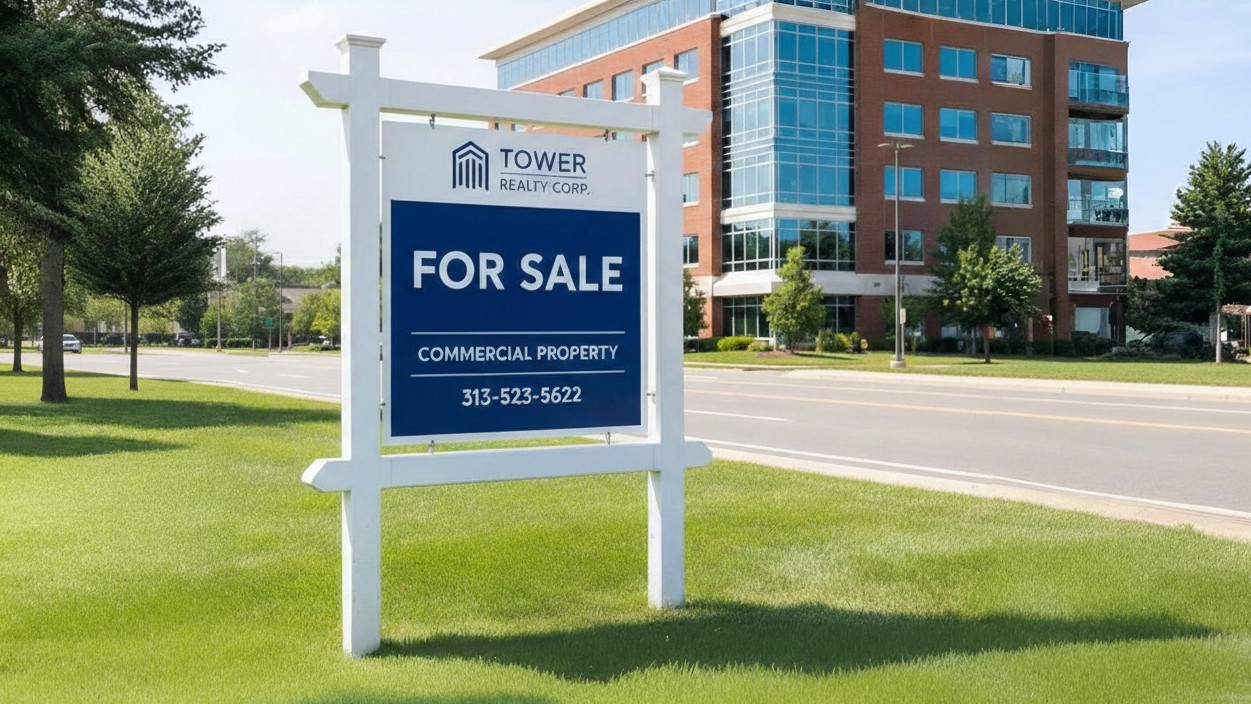
A real estate for sale sign is the foundation of property marketing. Even when a buyer first finds the listing online, they often confirm availability with a drive-by. A visible sign reinforces the property’s legitimacy and gives the prospect a direct path to an inquiry.
Best for:
A real estate for sale sign in commercial marketing should not be minimalist. It should communicate what the property is and who controls it.
What to include on real estate for sale signs (commercial):
In the Danbury area, where commercial property includes everything from flex industrial to suburban office and retail corridors, the sign should signal “use case” quickly. That is what business buyers think about. Not bedrooms.
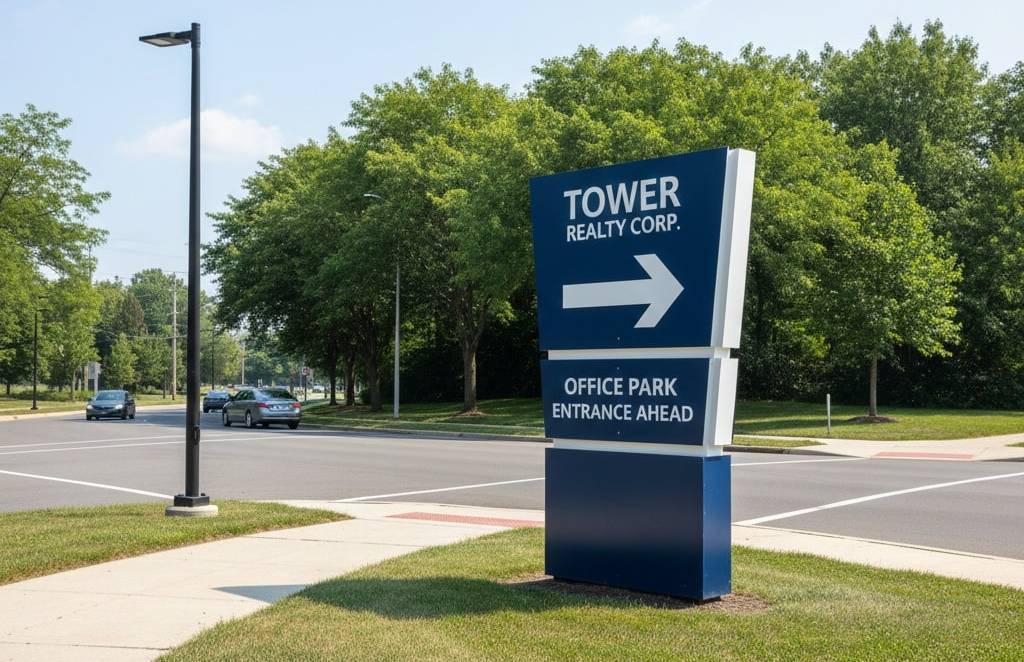
Real estate directional signs are exactly what they sound like: signs designed to guide traffic to a location. They are often used for open houses in residential, but in commercial real estate they serve an even more important function: helping prospects reach properties that are not visible from main roads.
Best for:
Directional signs can multiply exposure by creating repeated touchpoints. If someone sees a listing sign but cannot find the entrance, the marketing breaks down. Directional signs fix that.
Not all directionals are equal. The best option depends on the property type and how long you need them.
Directional arrow signs:
Full directional signboards:
For commercial listings, signboard-style directionals often outperform arrows because they can include both guidance and credibility.
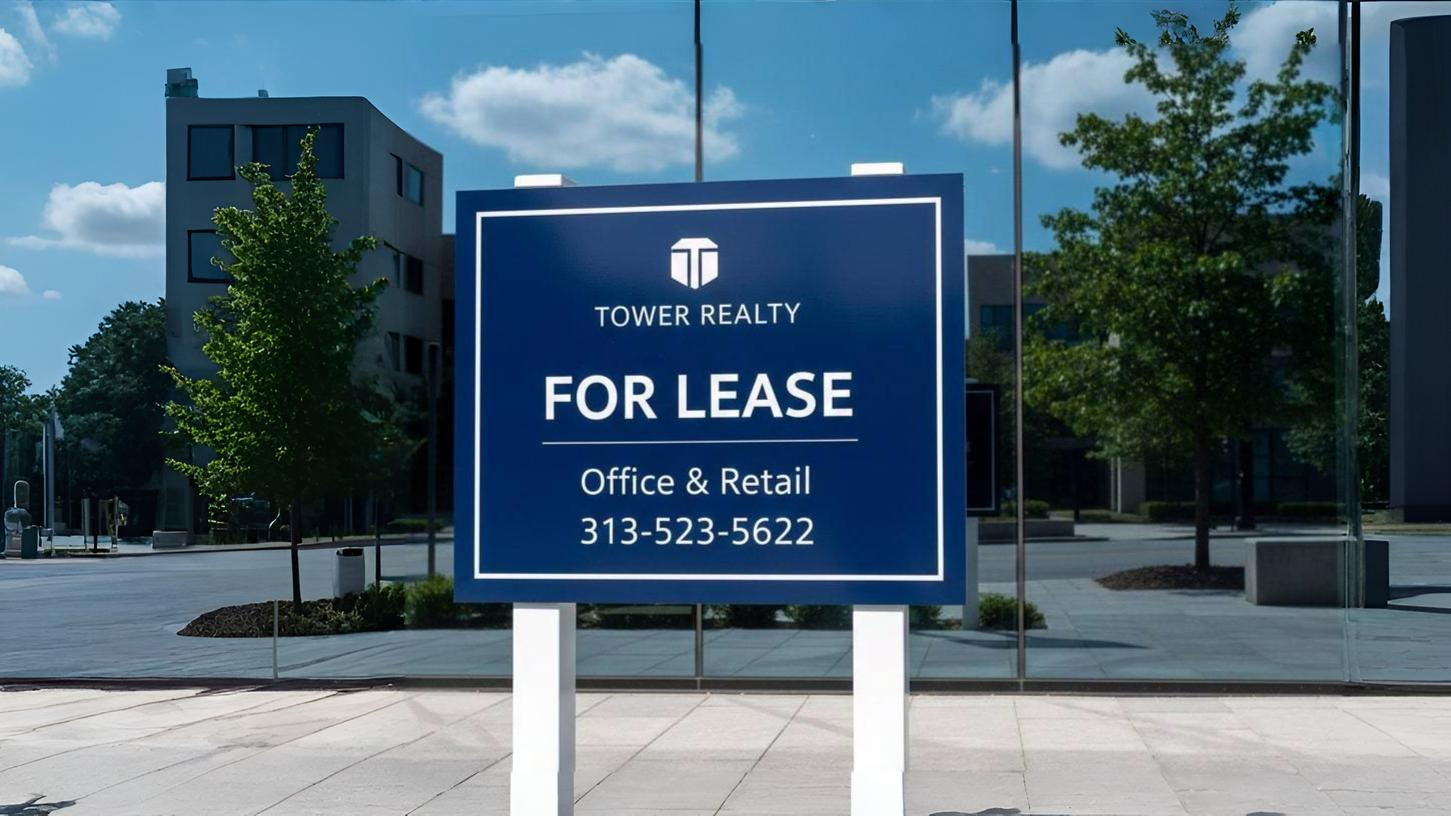
Commercial leasing is driven by visibility. A “for lease” sign does not just advertise space. It targets local operators who already know the area and are ready to move quickly.

Best for:
Multi-tenant signage is especially useful in plazas where multiple suites are available. Instead of replacing signage constantly, you can list suite availability with rider panels or changeable inserts.
Commercial open houses are different from residential. They are not casual. They are typically scheduled tours designed for brokers, investors, or business decision-makers.

Best for:
The goal is not foot traffic for its own sake. It is efficiency. You consolidate showings into one window and create urgency.
A property identification sign is not “for sale.” It is a landmark sign that confirms location and often elevates a site’s perceived value.

Best for:
Identification signage reduces confusion and improves navigation, especially in areas where access roads and entrances are not immediately obvious.
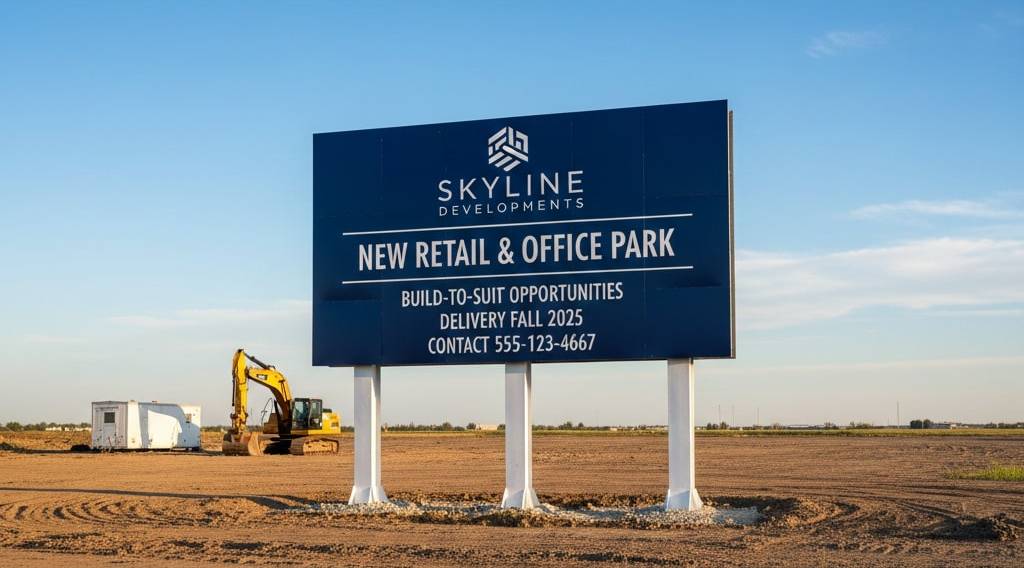
Development signs market the future. They are used to attract early leasing interest, investor attention, and credibility during construction. They are especially useful for land listings and redevelopment projects.
Best for:
A strong development sign communicates what is being built, when it will be delivered, and who to contact.
Riders are the most underrated piece of the signage system. They keep the message accurate without requiring a full reprint.

Common rider messages:
Riders help you adjust to market reality quickly, and speed matters. The longer your sign stays outdated, the more credibility you lose.
Industrial listings often depend on operational fit. A sign should highlight “industrial space available,” access, and the fastest way to reach the listing agent.
Recommended signage mix:
Retail and office prospects are often local. They may be scouting new space while driving the trade area.
Recommended signage mix:
Land requires the most explanation because its value is in what can be built.
Recommended signage mix:
A commercial real estate agent helps clients buy, sell, lease, or invest in income-producing property such as retail centers, office buildings, industrial facilities, and land. They evaluate market conditions, advise on pricing, market listings, negotiate contracts, and support due diligence through the transaction process.
The 2% rule is a quick screening method used by some investors, typically in residential investment, suggesting that the monthly rent should equal at least 2% of the purchase price. It is less commonly applied in commercial real estate because commercial returns are evaluated using different metrics like cap rate, NOI, tenant credit quality, and lease structure.
A commercial estate agent is another way of describing a commercial real estate agent, meaning a professional who represents buyers, sellers, landlords, and tenants for commercial and industrial property transactions.
Common commercial real estate signs include for sale signs, for lease signs, directional signs, rider signs, multi-tenant signage, development and construction signs, property identification signs, A-frames, banners, and event signage for leasing tours.
The 5 P’s of real estate are a common framework used to evaluate and market a property effectively: price, which reflects how the property is valued and positioned in the market; product, meaning what the property actually offers such as features, condition, zoning, or investment value; place, which covers location factors like access, visibility, traffic patterns, and surrounding development; promotion, referring to how the property is marketed through listings, signage, and broker outreach; and people, the target buyer or tenant and how well the property is positioned to match their needs and decision-making process.
The fastest way to waste a listing is to rely on a single sign and hope it works. The fastest way to improve outcomes is to build a signage plan around the property’s location, access points, and buyer type. Connect with real estate brokerage firms like Tower Realty Corp in the Danbury area to discuss your commercial property goals and build an effective strategy to attract the right buyers, tenants, and investors.
Disclaimer
This blog is for general informational purposes only and does not constitute legal, zoning, permitting, financial, or real estate advice. Real estate signage rules, installation requirements, and local ordinances vary by city and town in Connecticut and may change over time. Always confirm sign size, placement, and duration rules with your local municipality and consult qualified professionals for property-specific guidance. Tower Realty Corp does not guarantee results from any marketing strategy and encourages readers to seek tailored advice for commercial, industrial, or residential transactions.